

How to save water at home
Discover the little changes you can make to your daily routine that will help you save water and money.

How to reduce water use
Try these easy swaps to save water at home. They’re simple, they save water, and they could help save money too.
Small changes make a big difference.


Switch the tap off while brushing
Turn off the tap while brushing your teeth and save over 5,000 litres of water per person each year. That's a potential saving of up to £30 annually on your water bill for a household of four.

A full load on eco mode
Dishwashers and washing machines often have energy and water-saving settings. Running a full wash could save up to 2,600 litres of water and £30 on your energy and water bills every year.
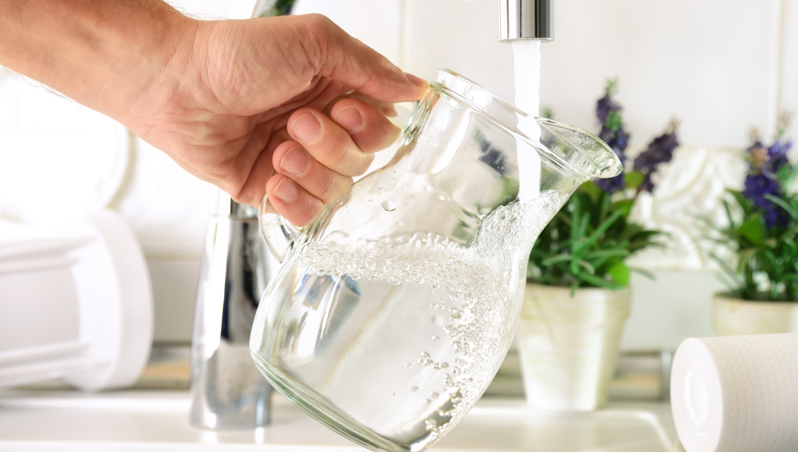
Keep a jug of water in the fridge
Instead of letting your tap run while you wait for it to go cold, try storing some in your fridge. Remember to replace it with fresh water after 24 hours.

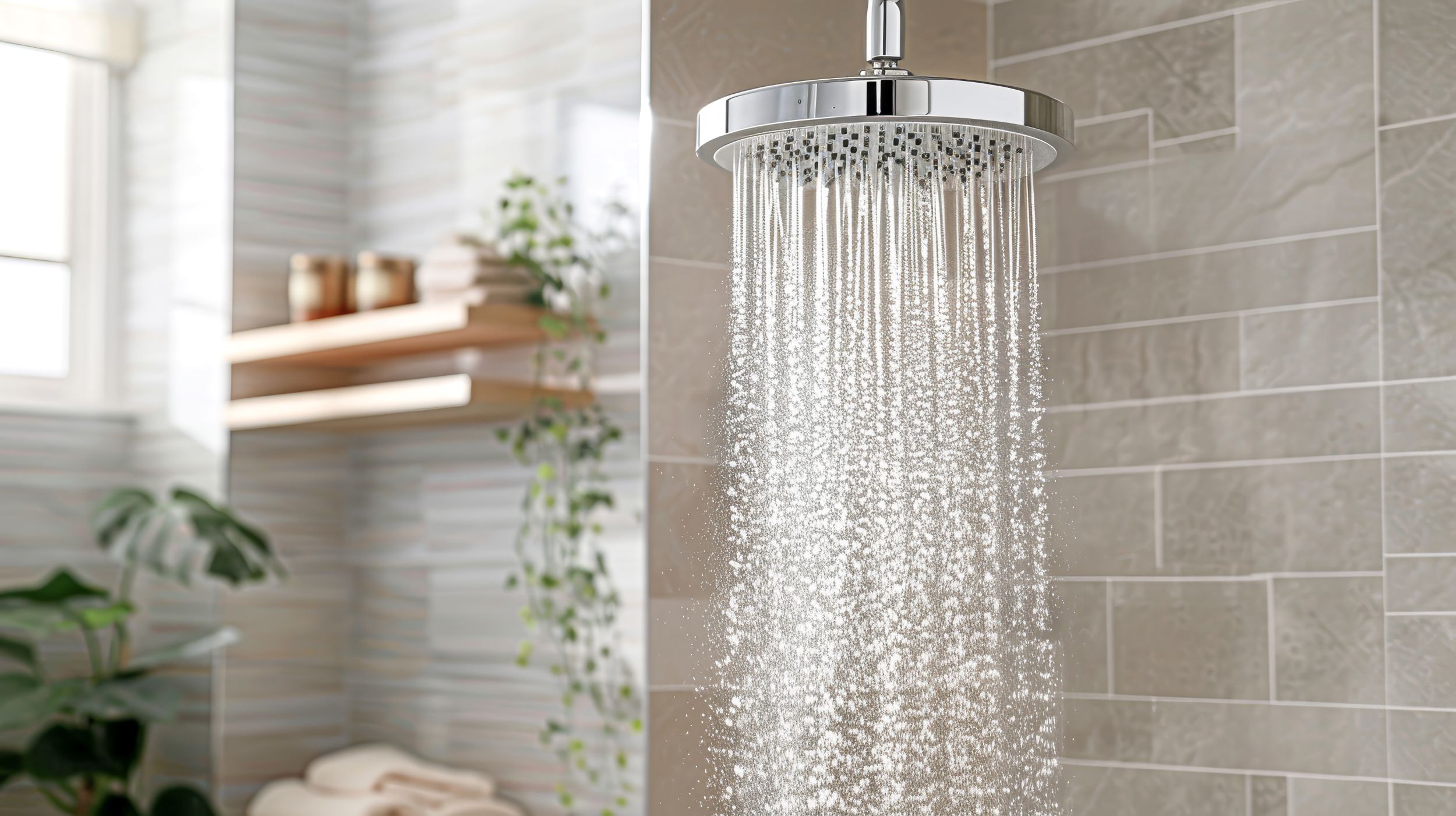
Shorten your shower
Reducing your shower time by two minutes could save up to 6,000 litres of water a year and up to £265 for a family of four on your annual water and energy bills.

Wash fruit and veg in a bowl
Save water by washing your vegetables in a bowl instead of under a running tap. You’ll save up to 15 litres of water a minute, and you can then use the water for your houseplants.

Reduce your shower time by 2 minutes
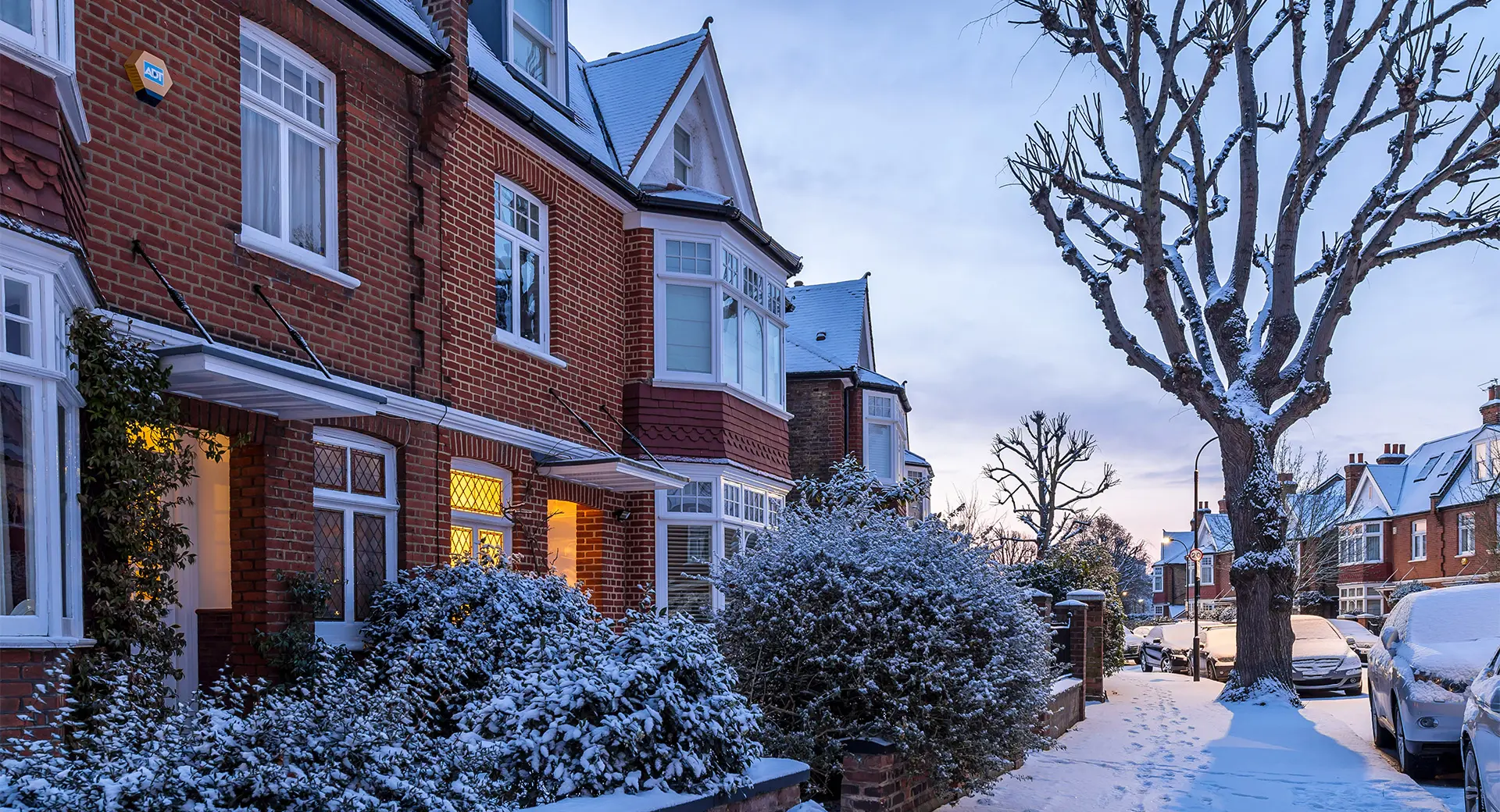
It’s tempting to linger in a hot shower during the colder months, but reducing shower time by two minutes could save up to 6,000 litres of water a year and up to £265 for a family of four on your annual water and energy bills.

Only boil the water you need
There’s nothing better than a hot cuppa to warm you up in the winter months. Only boil the water you need to help reduce water and energy bills.
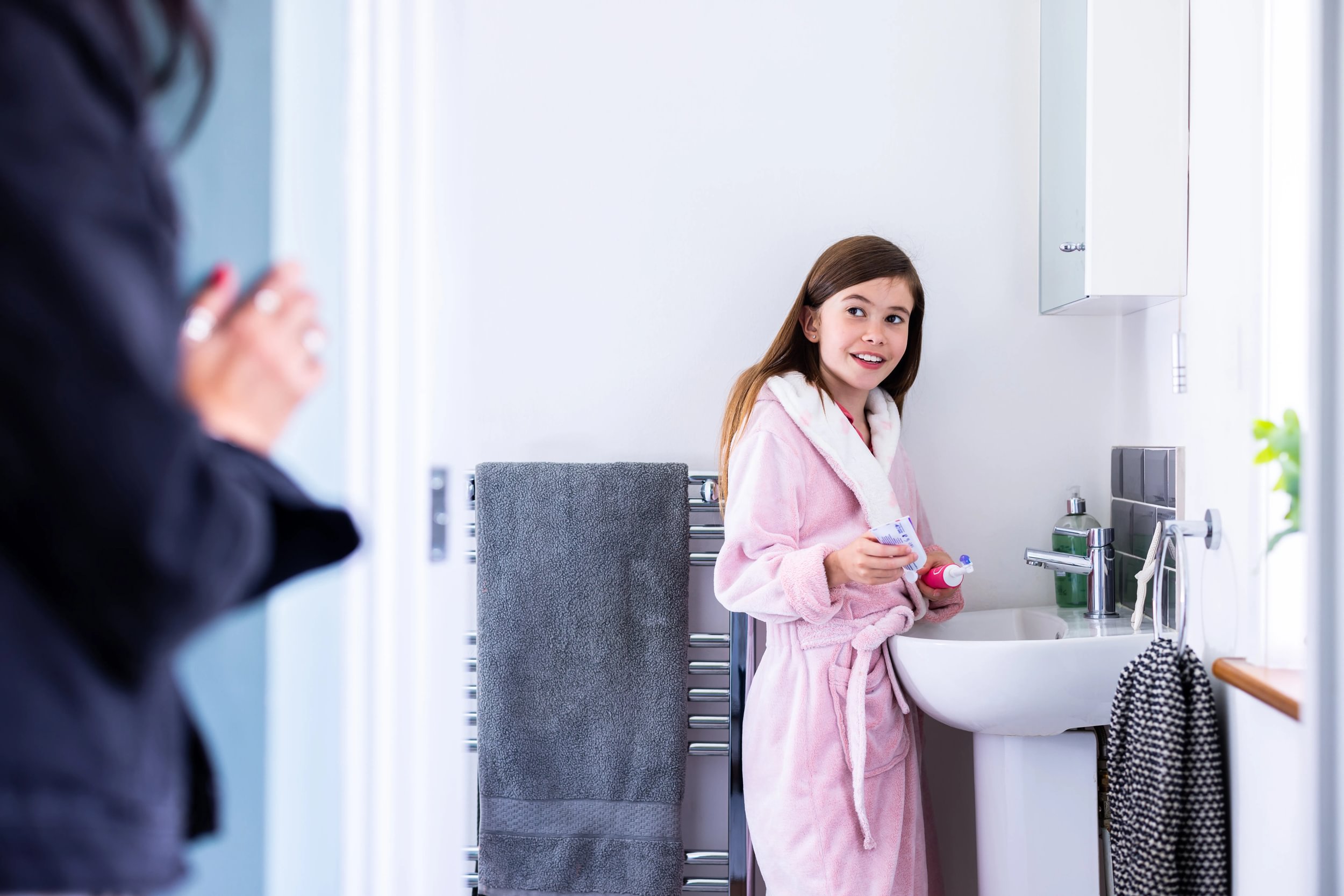
Switch off the tap while brushing
Turn the tap off while brushing your teeth and save over 5,000 litres of water per person each year. That’s a potential saving of up to £30 annually on your water bill for a household of four.
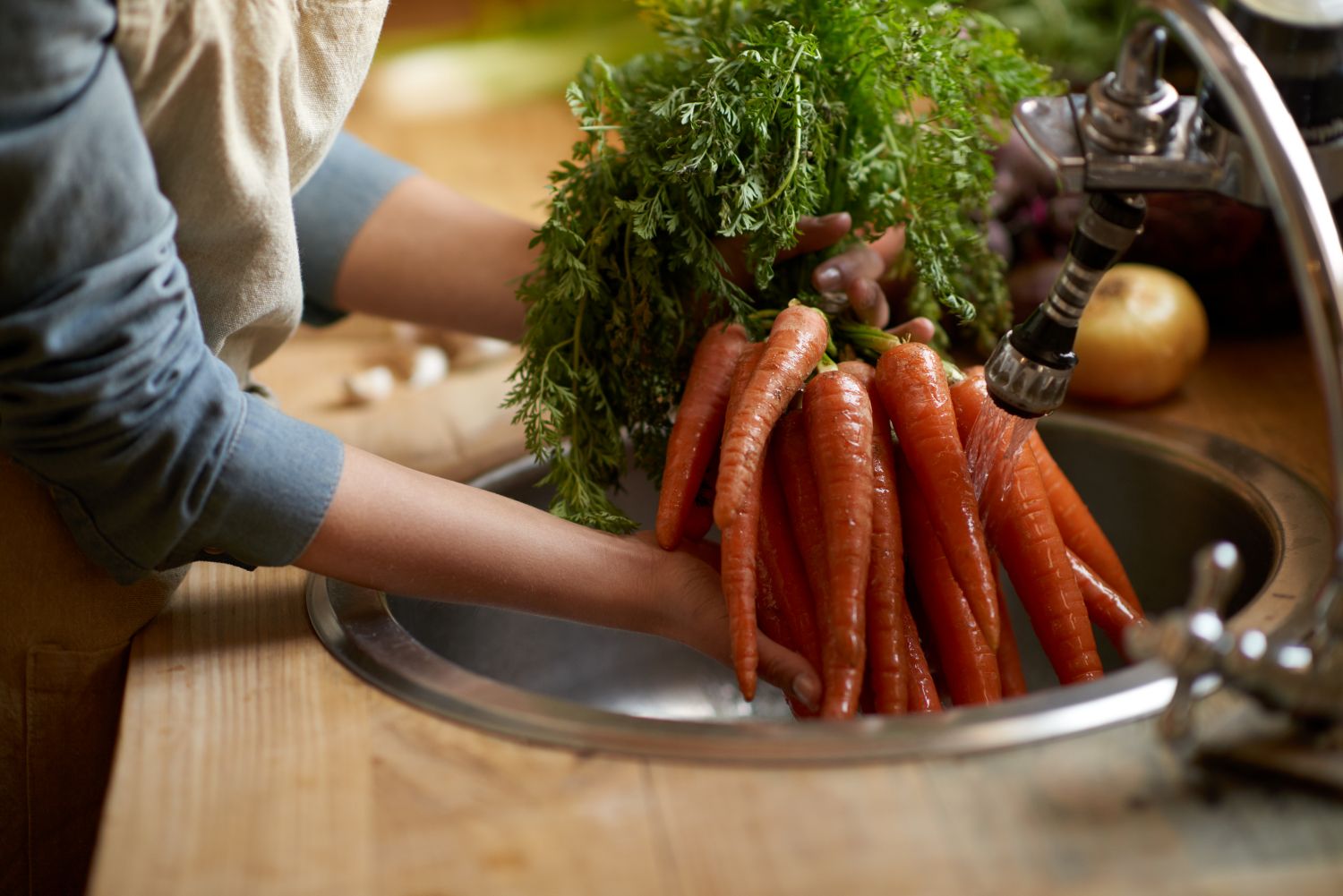
Wash fruit and veg in a bowl
Roast dinners are back. Save water by washing your vegetables in a bowl instead of under a running tap. You’ll save up to 15 litres of water a minute, and you can then use the water for your houseplants
The South East is running out of water
According to the Environment Agency, England needs to find almost 5 billion extra litres of water a day by 2050 to maintain water supplies. More than half of that, 2.6 billion litres a day, is needed in the South East.
We rely on water every day, but our population is growing fast and climate change is bringing greater risk of floods and drought. All this puts pressure on water supplies and means there's less water to go around.
Thankfully, just a few small changes to your daily routine will make a big difference, especially when at home.

How we can help you save water
Water-efficient products
We've teamed up with DIY retailers, builders' merchants and manufacturers of bathroom fittings to bring you the Unified Water Label scheme. It’s designed to make it easy for you to find water-efficient taps, showers, toilets and baths.
The Unified Water Label works a lot like the energy efficiency labels you see on appliances. Each label shows key details such as toilet flush performance, tap and shower flow rates, and bath capacity.
You can also compare the water usage of similar products using the online 'find a product' tool. Look for products in the green band of the label, as they're more water-efficient.
Nearly a quarter of your energy bill goes on heating water. So, choosing water-saving products doesn’t just help the environment – it helps cut your water and energy bills too.

Water-saving home visits
If you use more water than average in your home, you may be eligible for a free water-saving home visit.
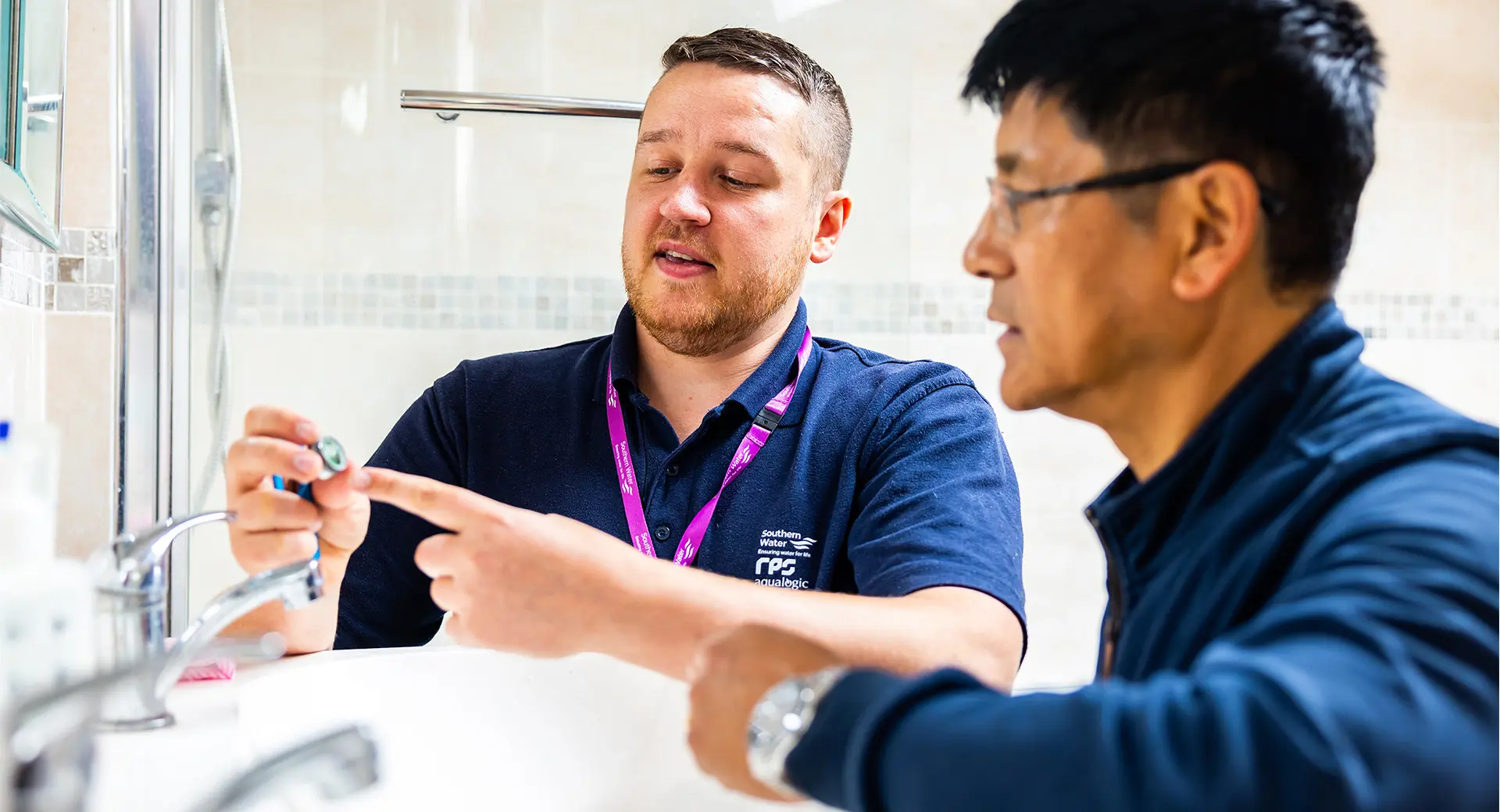
During our visit, we’ll explain how simple, everyday changes could help you save water, energy and money on your bills. We’ll also fit water-saving devices, free of charge, in your kitchen and bathroom. This can include tap inserts, water-efficient showerheads and dual-flush converters.
Our next round of water-saving visits will start in April.
Did you find the information you are looking for?


